What to Expect at an Open-Air Silver Workshop
What to expect at an open-air silver workshop
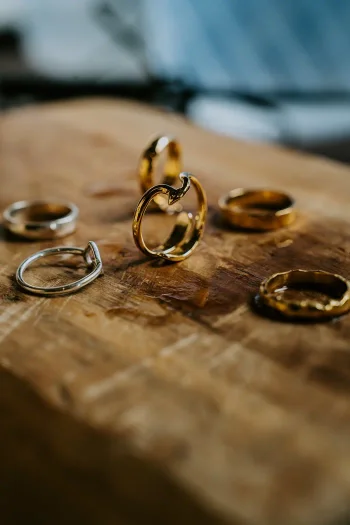
Most people show up expecting a craft demo and a quick souvenir. What you actually get at an open-air silver workshop is a few hours of real bench work: you design, saw, file, solder, texture, and polish a piece at a shaded outdoor workstation. All the tools are there, and an instructor walks you through each step.
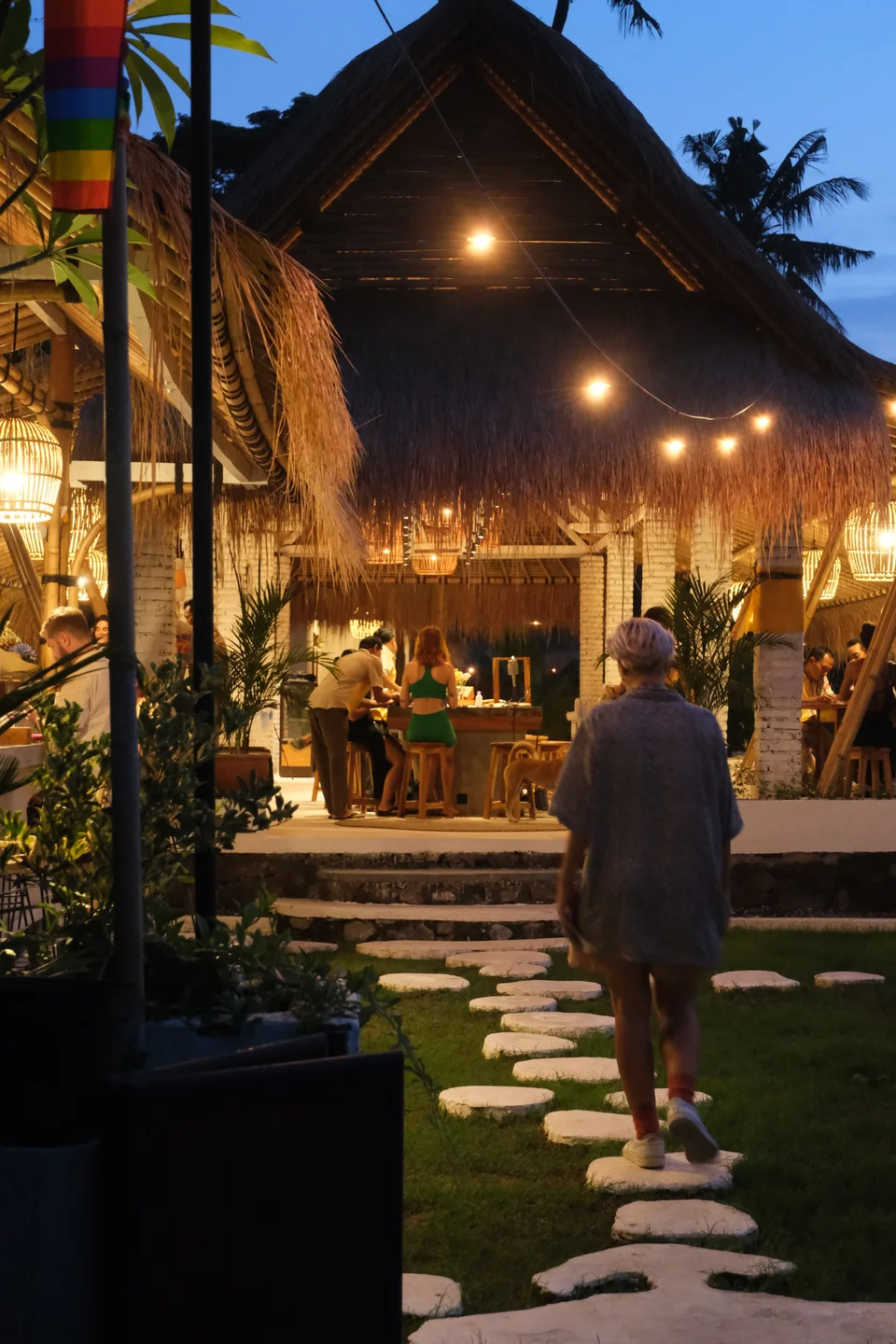
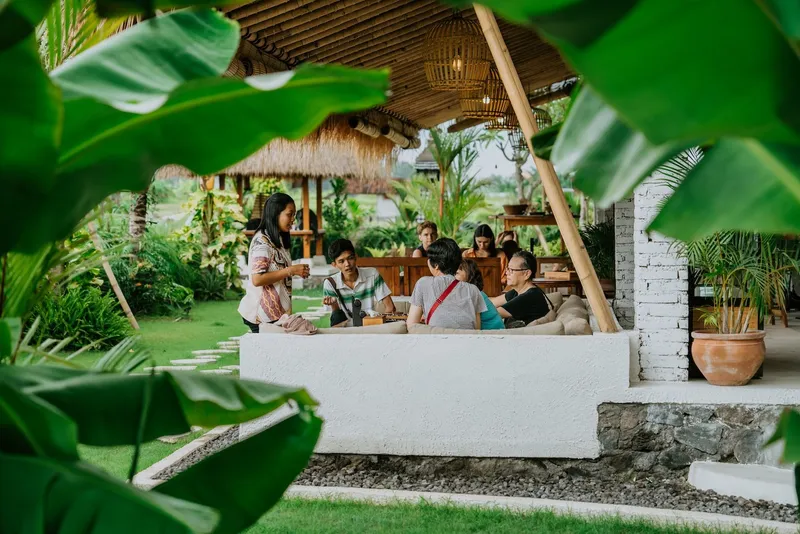
At Alas Arum Silver & Gold Workshop in Sukawati near Ubud, Bali, classes run under open pavilions with jungle and rice-terrace views. You leave with a finished sterling silver or gold piece. The usual starting point is the regular workshop, where you practice on brass before moving to silver.
The details that actually matter are the class flow, the tools, the open-air conditions, and whether you should stick with the regular session or book the advanced masterclass.
What you actually do at an open-air silver workshop
The core of any open-air silver class doesn't change much. You start with a flat sheet or a piece of wire and turn it into a ring, pendant, cuff, or small sculpture. You are not parked in front of a two hour demo. Most of the session happens at your own bench, with your hands on the metal and an instructor walking around to check on you.
Design and planning
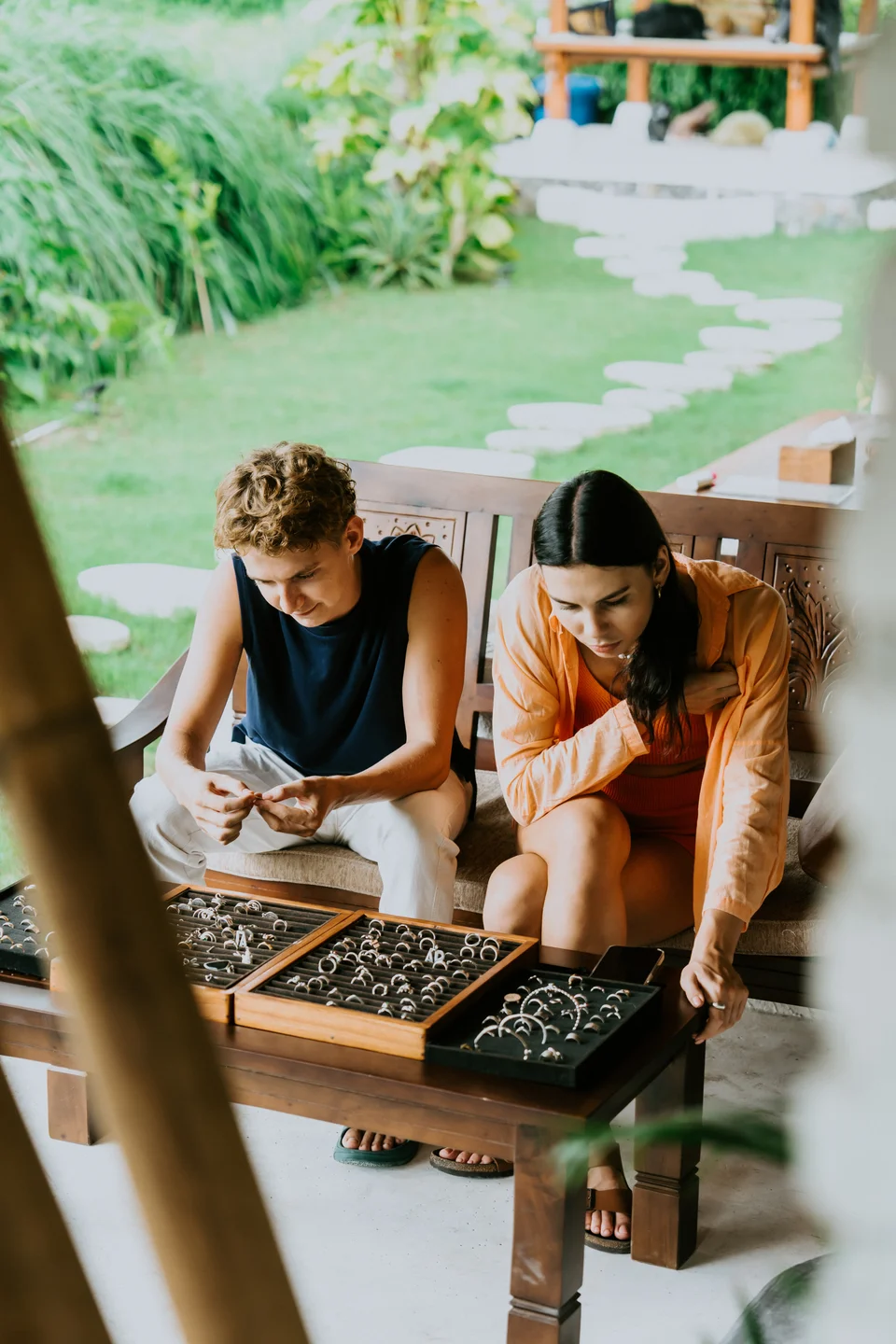
The class opens with a short design chat. The instructor shows samples, explains what you can finish in the available time, and helps you sketch a shape or pick a template. Most beginners land on a simple band ring, a textured pendant, or a pair of earrings. You can also bring a photo or idea from the gallery and use it as a starting point.
Sawing, filing, and shaping
The first hands-on step is usually cutting metal with a jeweler's saw. It moves slower than people expect, and that's completely normal. Next you reach for files and sandpaper to smooth edges and tighten up the shape. This part is actually nicer outdoors. The breeze clears metal dust, and daylight makes small scratches much easier to spot.
Soldering and joining
If your piece has a joint, you'll learn to flux and solder with a small torch. The instructor usually does the first joint next to you, then you repeat it on your own. Open-air benches are well ventilated, so the torch fumes and flux smell clear out quickly.
Texturing and polishing
Once the structure is sound, you add texture with hammers, stamps, or wire brushes. Then comes the polish, either on a motorized buffing wheel or by hand with cloths. That last step is where dull metal turns bright and starts to look like an actual piece of jewelry.
Arrival and bench setup
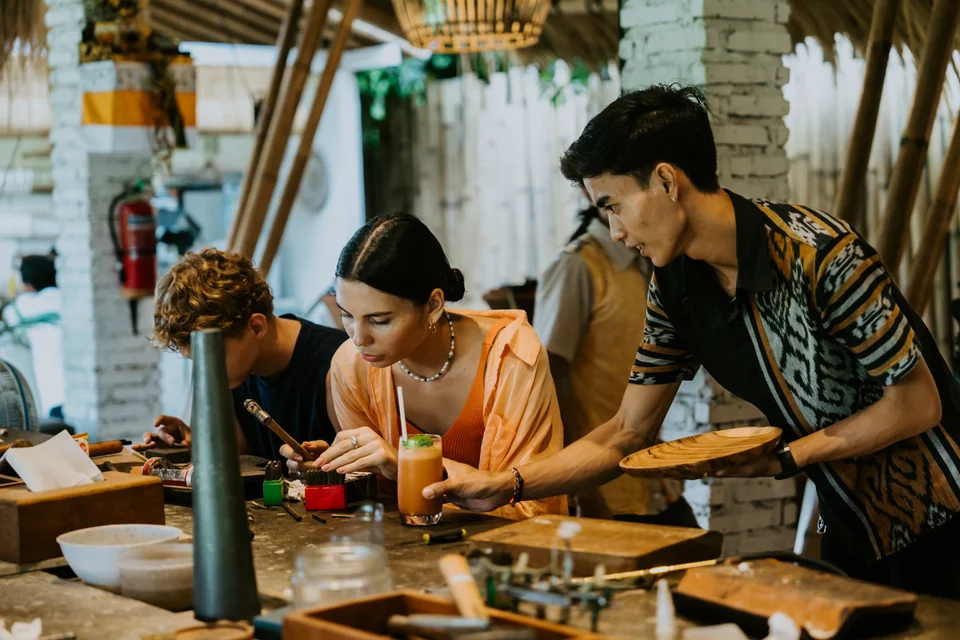
When you arrive, expect a short safety briefing and a workstation assignment. The layout is typically a long row of benches under a high roof or shade canopy, open on at least two sides. At Alas Arum, that means jungle and rice-terrace views around you. The space can handle up to 50 students at once without anyone sitting on top of someone else.
Each bench comes with a full setup:
- A jeweler's saw and spare blades
- Needle files in several shapes
- Pliers and cutters
- A soldering station with torch and flux
- A steel bench block and anvil
- A mandrel for ring sizing
- Hammers, stamps, and texture tools
- Polishing compounds and cloths
There's no dark back room. You work in daylight, which makes it easier to judge the true color and finish of the metal. Rain rarely cancels anything because the class moves under the covered section and keeps going.
Tools and materials you'll use
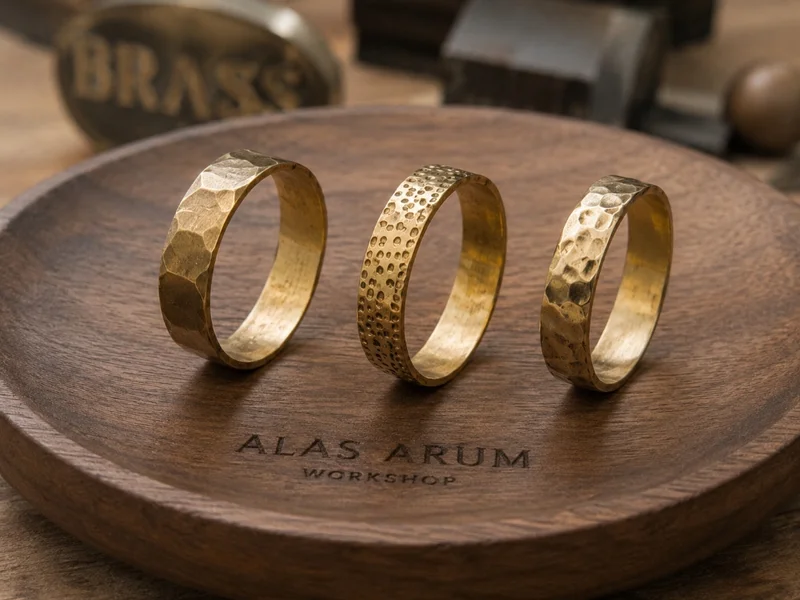
Materials depend on the class you book. The regular workshop starts with brass so you can get comfortable, then moves to 925 sterling silver. In the masterclass, experienced students can work directly with 18k or 22k gold or learn gold-plating techniques.
You'll handle a standard set of bench tools:
- Jeweler's saw for cutting sheet metal and wire
- Needle files for smoothing inside curves and tight areas
- Soldering torch for joining metal with silver or gold solder
- Pliers, round-nose, flat-nose, and chain-nose, for bending and holding
- Mandrel, a tapered steel rod for shaping and sizing rings
- Hammers, rawhide, planishing, and texturing hammers
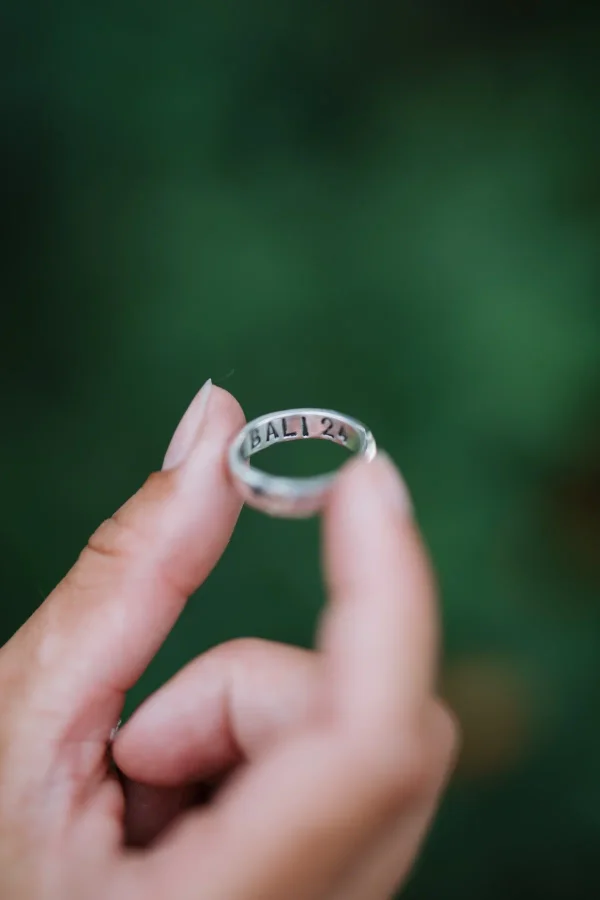
- Stamps and punches for adding letters, numbers, or patterns
- Buffing wheel for the final mirror polish
Everything is provided. You don't need to buy anything or bring your own gear.
Step-by-step class flow
A typical open-air silver workshop runs through the same sequence, which keeps beginners from getting lost and gives advanced students room to work.
- Safety briefing and tool introduction, 10 to 15 minutes.
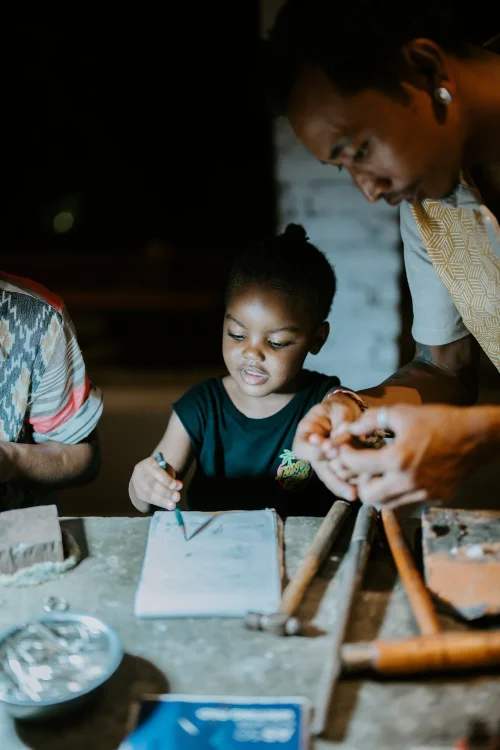
- Demonstration. The instructor makes a small piece in front of the group and explains each stage.
- Practice on brass. You cut, file, solder, and polish a scrap piece to learn the feel.
- Design selection. You choose or sketch the final piece with guidance.
- Fabrication, sawing, filing, soldering, and shaping the actual silver or gold.
- Finishing, texturing, polishing, and a final quality check.
- Photograph and pack. You take the finished piece home, often in a small pouch or box.
The pace is relaxed but not slow. Most people finish a simple piece in one session. Larger or more detailed work may take longer or spill into a follow-up masterclass session.
Open-air working conditions
Working outside changes the experience. Here's what you can expect:
- Natural light, bright but shaded, so fine details don't strain your eyes.
- Airflow, with open sides that keep soldering fumes and polishing dust moving.
- Warmth. Bali is tropical, so you will sweat. Fans and shade help, but dress for heat.
- Occasional noise. Hammers and polishing motors aren't silent, but the open space stops the sound from becoming unbearable.
- Rain. Brief tropical showers pass through, and classes continue under cover.
The open-air format isn't a gimmick. It improves ventilation, reduces eye fatigue, and makes the workshop feel more like a working studio than a classroom.
Regular workshop vs masterclass
The table below breaks down the main differences if you're unsure which one to book.
| Aspect | Regular Workshop | Masterclass |
|---|---|---|
| Skill level | Beginner to intermediate | Intermediate to advanced |
| Practice material | Brass first, then 925 sterling silver | Direct work with silver, gold, or plating |
| Project complexity | Simple ring, pendant, or earrings | Multi-part construction, stone setting, or advanced soldering |
| Instructor attention | Group demo plus individual help | More one-on-one time and technical feedback |
| Pace | Guided, step-by-step | Self-directed with instructor oversight |
For most visitors, the regular workshop is the better choice. Book the masterclass if you already have soldering experience or want to work with higher-karat gold.
What to wear and bring
Wear closed-toe shoes. Sandals are everywhere in Bali, but hot metal fragments and dropped tools make closed shoes the safer choice.
You'll also want:
- Cotton or natural-fiber clothing that covers your lap and arms lightly.
- No loose sleeves, scarves, or long necklaces that could catch on the bench.
- Hair tied back if it's long.
- Minimal hand jewelry. Rings and bracelets can scratch or interfere with tools.
Bring a water bottle, but don't pack food. The workshop has an on-site restaurant and bar where you can eat before or after class.
Common beginner mistakes and how instructors prevent them
Even if you've never touched a saw before, the instructor will keep you from ruining your piece. These are the most common problems and how they're handled:
- Breaking saw blades happens to everyone. Instructors teach the correct blade tension and cutting angle, and spare blades are always on hand.
- Overheating the metal. Beginners often hold the torch too long. The instructor watches the flux and metal color and tells you when to pull away.
- Uneven solder seams. Small gaps stop solder from flowing. The instructor helps you close gaps with pliers before heating.
- Deep scratches. Beginners sometimes skip grits when sanding. The instructor checks your piece between filing and polishing stages.
You aren't expected to get everything right the first time. The class is set up so mistakes get corrected, not punished.
How to prepare for your open-air silver class
You don't need any experience for the regular workshop. If you want to arrive slightly prepared, do these three things:
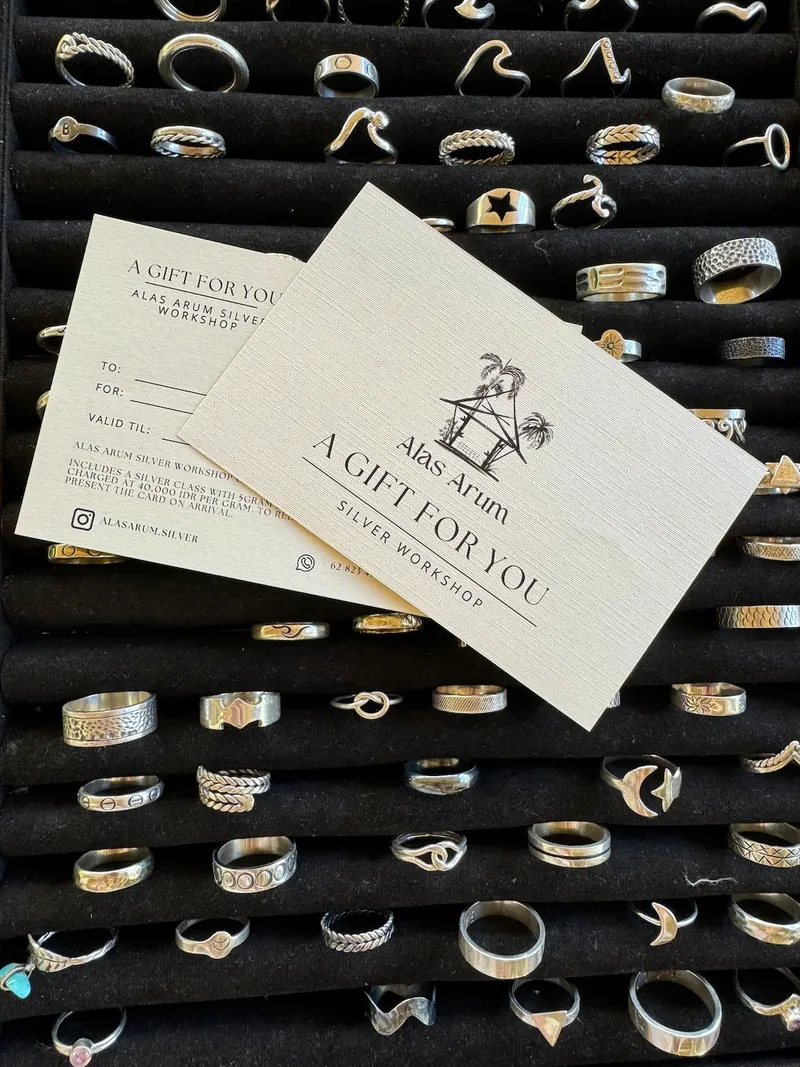
- Browse the gallery and save one or two design ideas on your phone.
- Think about what you'll actually wear. A simple band ring is easier than a complex cuff.
- Come with an open mind. The instructor guides you, but the piece is yours to make.
Honestly, most people overthink this. Don't over-plan. Many students change their design once they see the tools and samples.
Frequently asked questions
Do I need any jewelry-making experience for an open-air silver workshop?
No. The regular workshop at Alas Arum is built for complete beginners. You start on brass and move to silver only after the instructor confirms you can handle the tools safely.
How long does a typical open-air silver class take?
A simple piece like a band ring or pendant usually takes one focused session. The exact duration depends on the project and class format. More complex work may require a masterclass or an additional session.
What materials can I work with?
The regular workshop uses brass for practice and 925 sterling silver for the final piece. The advanced masterclass offers 18k or 22k gold and gold-plating techniques for experienced students.
Will my piece be finished the same day?
Yes, in most cases. The class includes polishing and final finishing, so you leave with a wearable or gift-ready item.
What happens if it rains during the class?
The workshop continues. Workstations sit under covered open-air pavilions, so brief tropical rain doesn't stop the session. You stay dry while still getting natural light and airflow.
Can I bring my own design or reference photo?
Yes. Instructors welcome reference images and will help you adapt the idea to the tools and time available. The gallery is also a good source if you haven't decided yet.
Conclusion
An open-air silver workshop gives you a hands-on, guided introduction to jewelry making in a well-ventilated space with natural light and a relaxed outdoor atmosphere. You learn the same core skills used in professional studios: sawing, soldering, texturing, and polishing. The difference is you learn them at an open bench with jungle and rice-terrace views around you.
If you're visiting Bali and want a creative break from temples and beaches, this is one of the most practical souvenirs you can take home, a piece of silver or gold made by your own hands.
To book your bench or ask about regular and masterclass availability, Contact the Alas Arum team.
Our Workshops