Silver of Indonesia, Bali: A Historical Journey
When you hold a piece of Balinese silver, you are holding history. The island's reputation for intricate metalwork isn't a modern marketing gimmick; it is a legacy that stretches back over 2,000 years, influenced by Indian traders, Chinese artisans, and the mighty Majapahit Empire.
At Alas Arum, we honor this history by teaching the same techniques that have been used by our ancestors for generations. But where did it all begin?
The Majapahit Influence
The turning point for Balinese silver came in the 14th and 15th centuries with the decline of the Majapahit Empire in Java. As Islam spread through Java, the Hindu elite—including artisans, gold smiths, dancers, and priests—fled to Bali. They brought with them sophisticated metalworking skills originally developed to create royal jewelry and religious artifacts.
This influx of talent turned Bali into a hub of artistic excellence. The "Pande" (smiths) were highly respected members of society, believed to have a spiritual connection to the god of fire, Brahma.
The Rise of Celuk Village
While smiths were scattered across the island, the village of Celuk (near Sukawati) became the epicenter of gold and silversmithing. Initially, the artisans of Celuk worked exclusively for the royal family of Gianyar, creating kris handles, betel nut boxes, and ceremonial bowls.
In the 1930s, as tourism began to trickle into Bali, the smiths of Celuk began adapting their designs for Western tastes. They started making silverware, jewelry, and decorative items that travelers could take home.
Distinctive Balinese Style
What makes Balinese silver unique?
- Granulation (Jawan): The art of fusing tiny silver balls onto a surface to create texture. This technique requires incredible precision to ensure the balls don't melt into puddles.
- Filigree (Bun): As mentioned in our other posts, this involves twisting fine wires to create lace-like patterns.
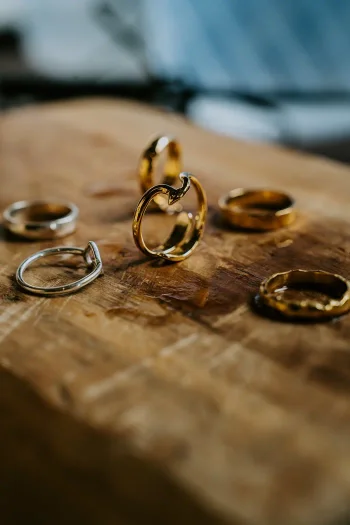
- Oxidation: Balinese silver is often "oxidized" (darkened) in the recesses to create high contrast with the polished raised areas. This gives the jewelry a depth and "antique" look that is instantly recognizable.
Modern Preservation
Today, the industry faces a challenge. Young Balinese are increasingly turning to the hospitality and tech sectors. The number of traditional smiths is declining.
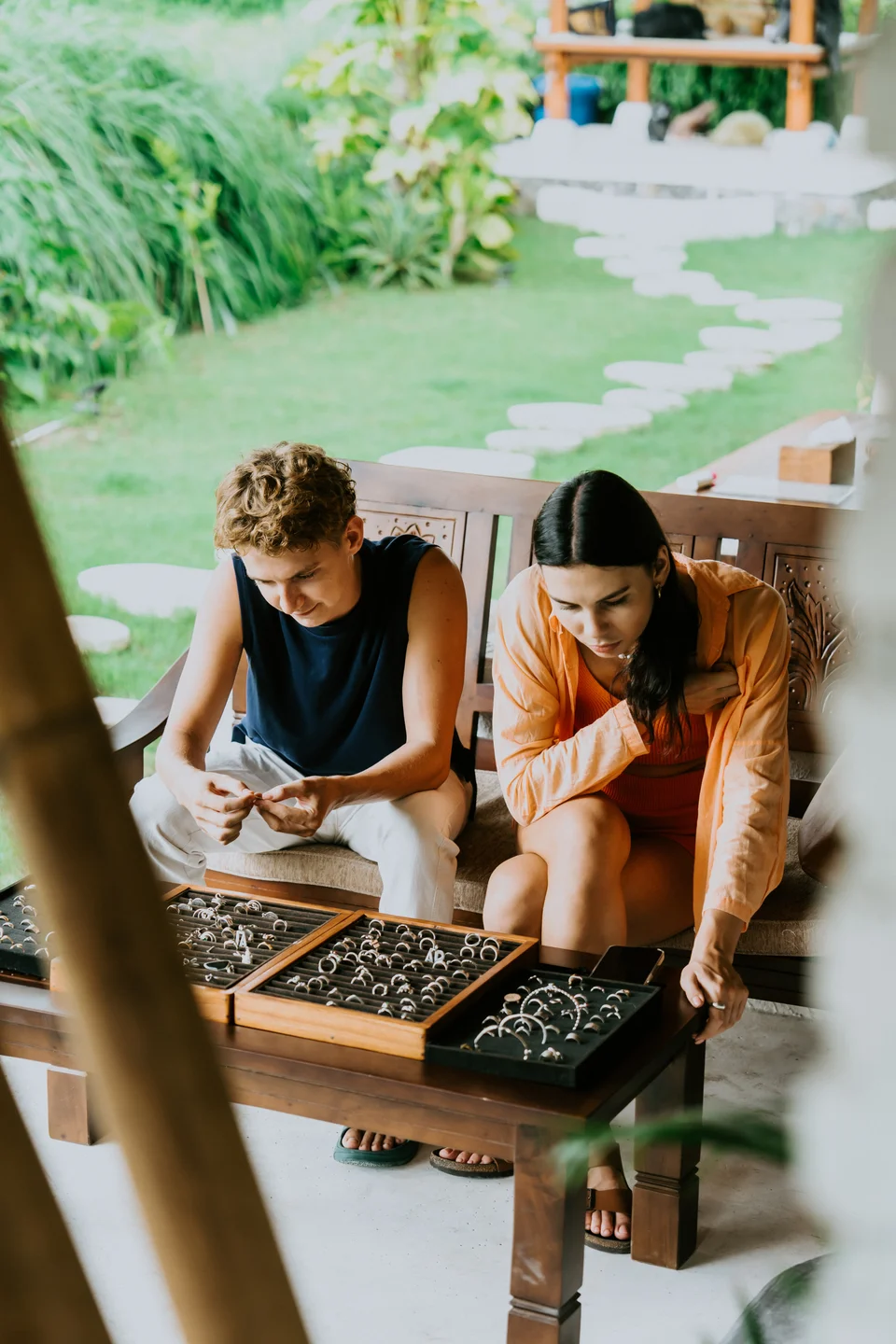
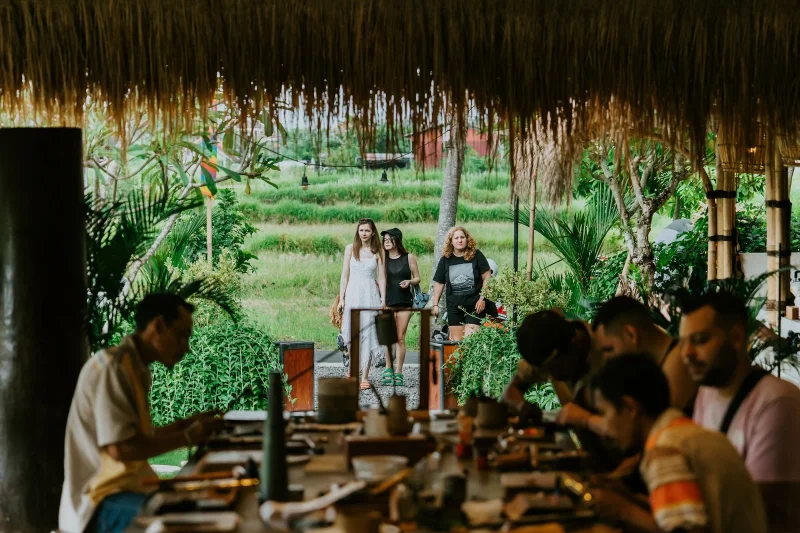
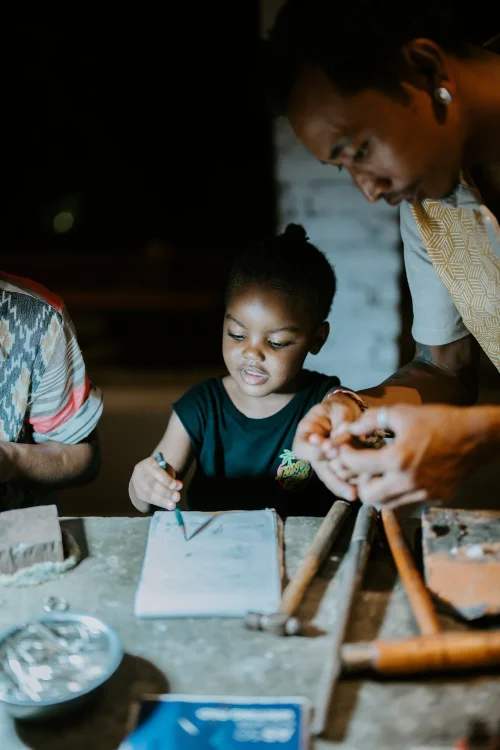
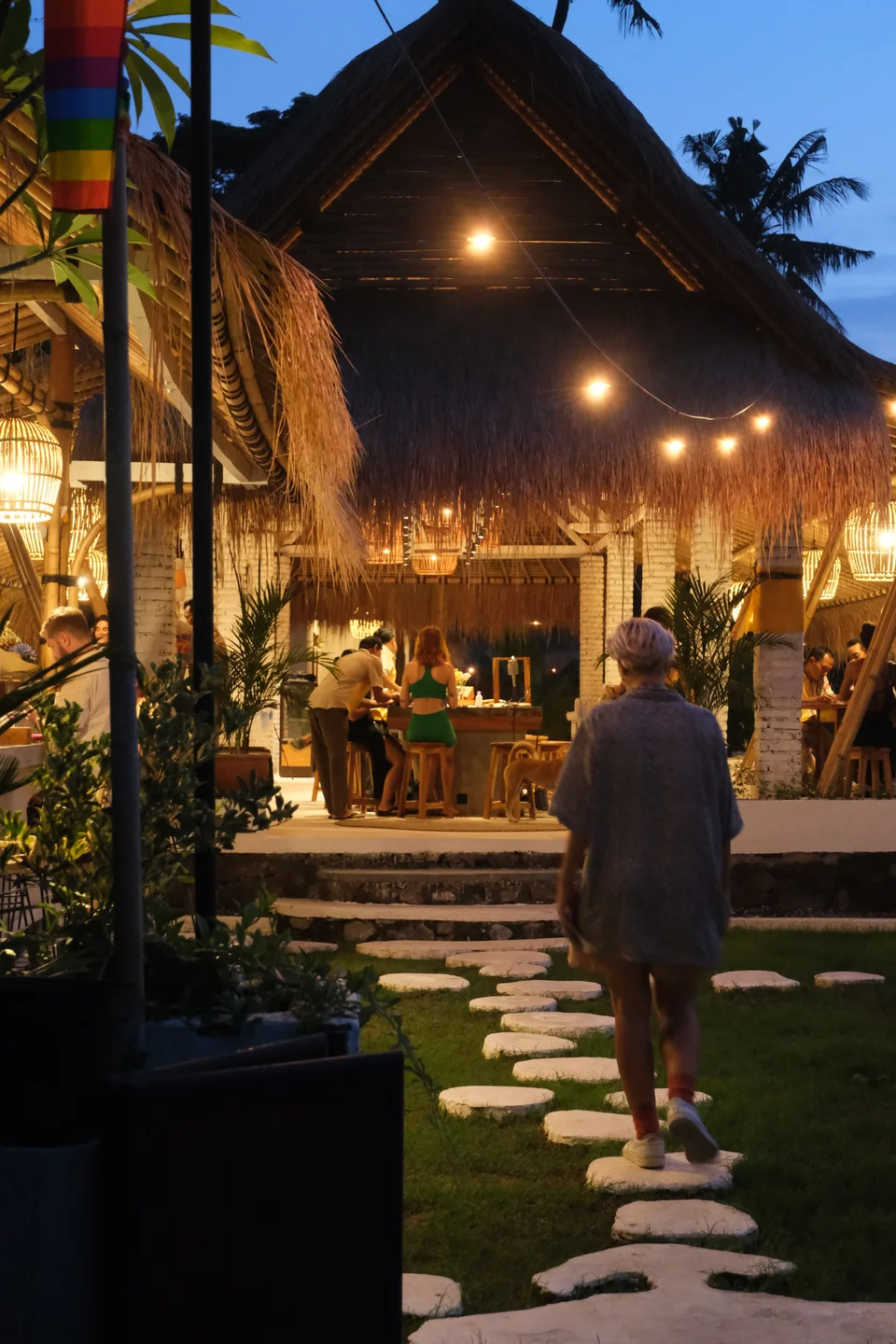
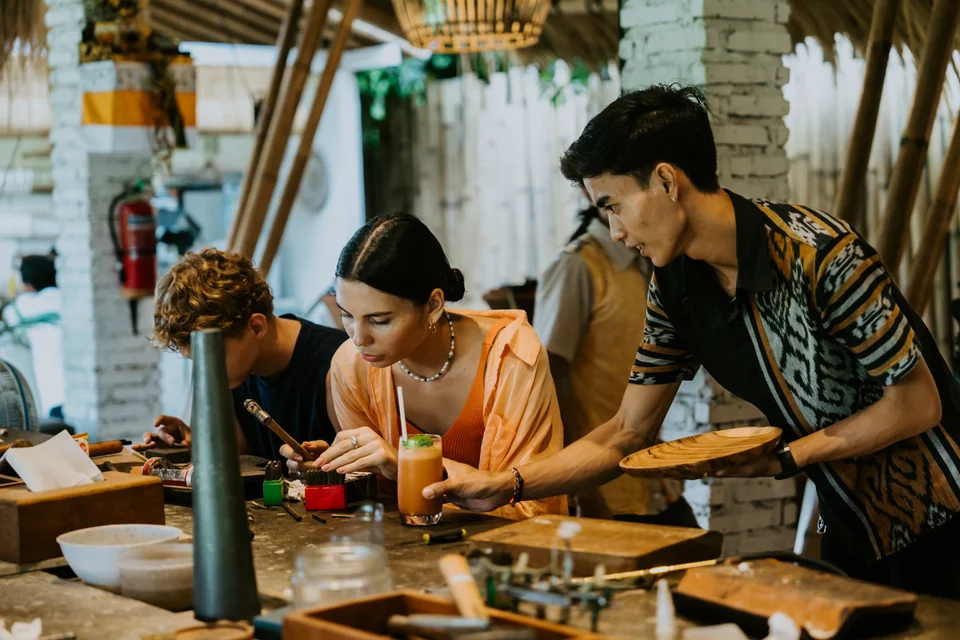
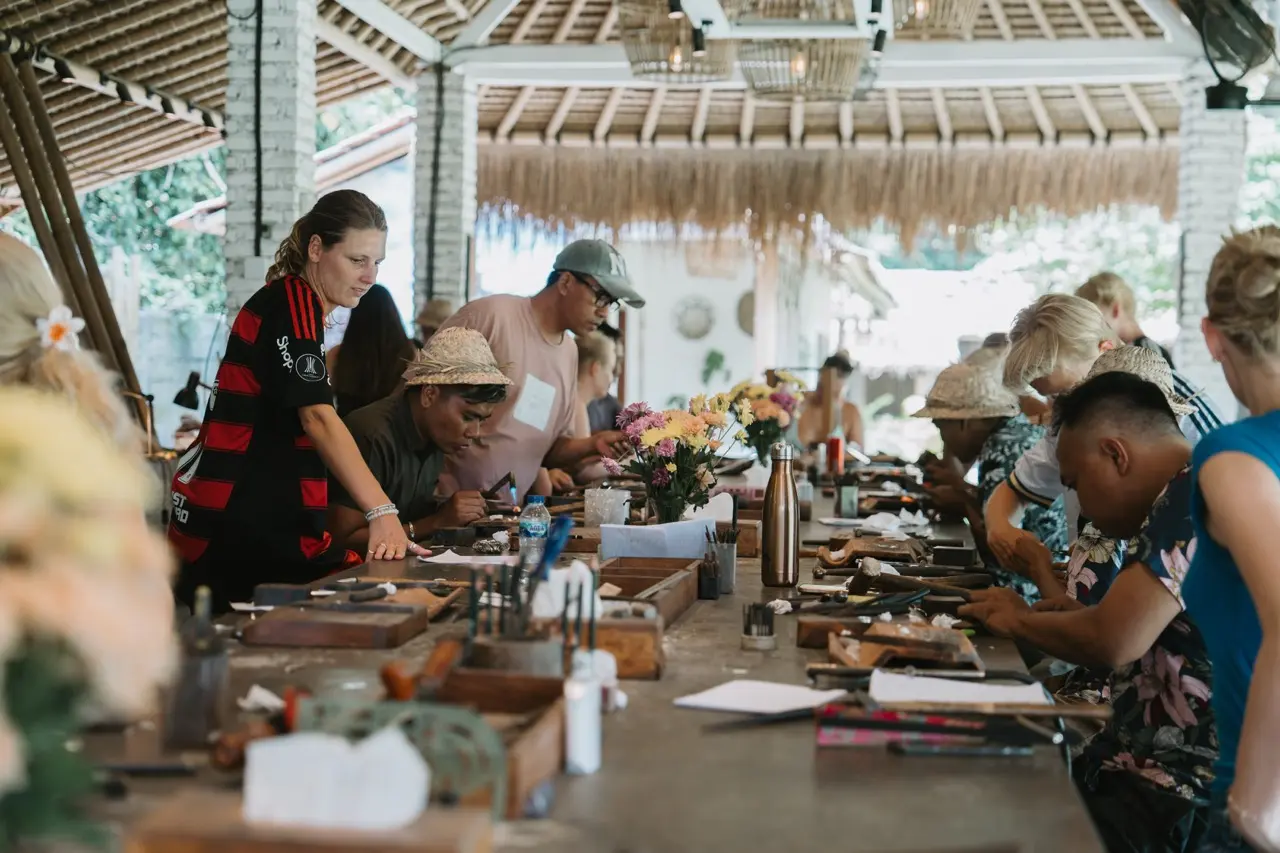
That is why workshops like Alas Arum are so important. By opening our doors to tourists, we are not just a business; we are a school. We provide employment for local artisans and ensure that the knowledge is passed on. When you take a class, you are directly supporting the survival of this ancient craft.
Our Workshops