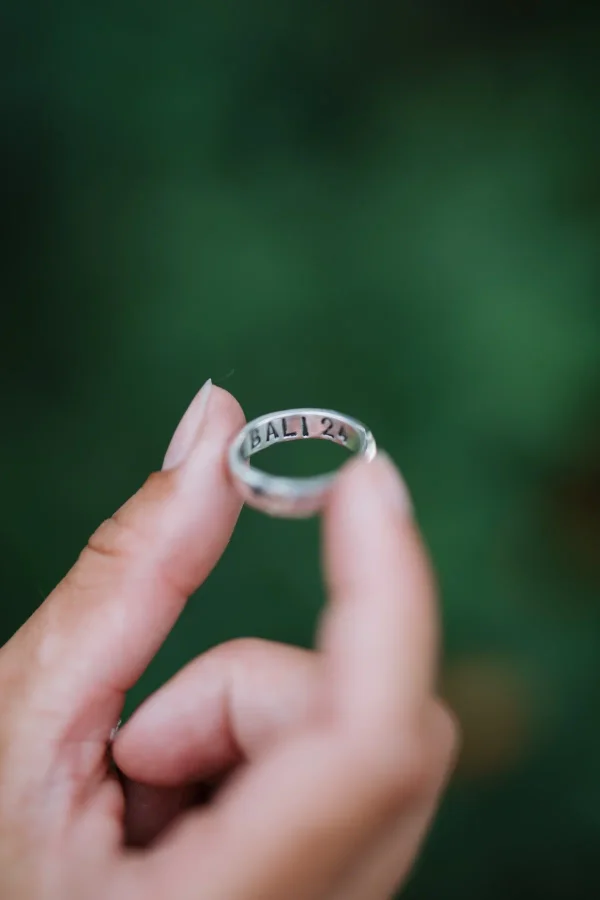
Jungle Views and Jewelry Making: A Sukawati Workshop Day
Jungle Views and Jewelry Making: A Sukawati Workshop Day
A jungle views and jewelry making day at Alas Arum Silver & Gold Workshop in Sukawati gives you a hands-on silversmithing class inside Bali's largest open-air workshop. Surrounded by rice terraces and jungle, you will shape, solder, and finish your own 925 sterling silver piece, with options for 18k/22k gold and gold plating. The workshop is about 20 minutes from Ubud, and you can book a class for yourself, a couple, or a group of up to 50.
What to Expect from a Sukawati Jewelry Workshop Day
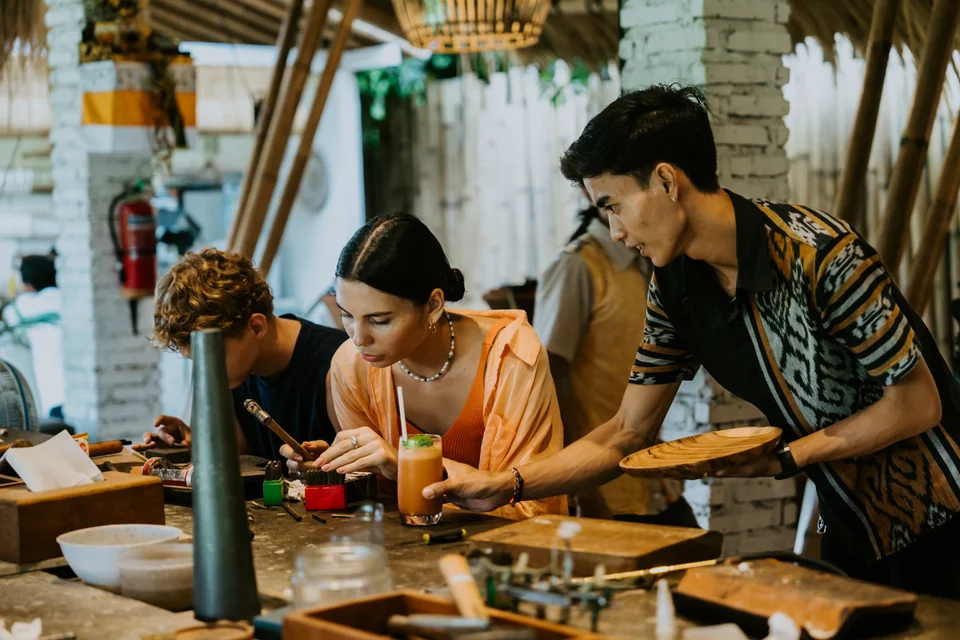
The day works as a guided creative session, not a rushed factory tour. Most visitors start with a safety briefing and a short introduction to the tools: saws, files, torches, hammers, and polishing wheels. Then you choose a project design and get a small sheet or wire of 925 sterling silver. Expect to spend most of the class standing or sitting at a bench, moving between the worktable and the instructor's demonstration area.
Arriving at the Open-Air Workshop
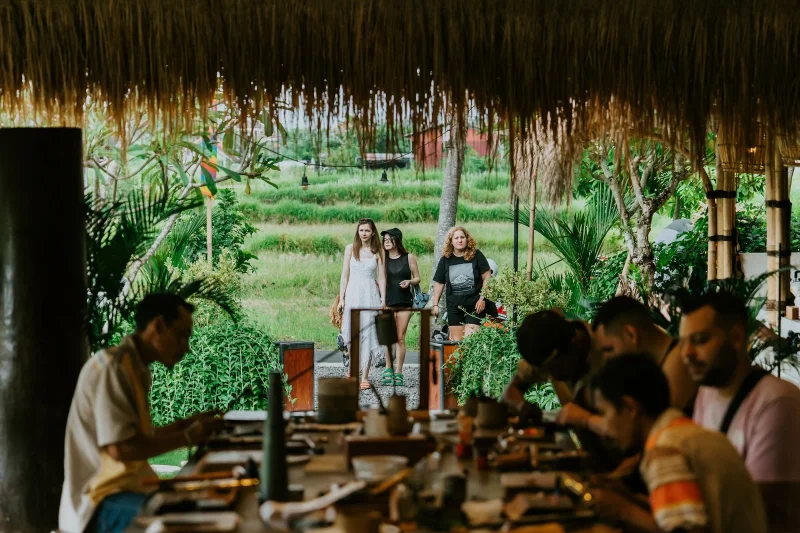
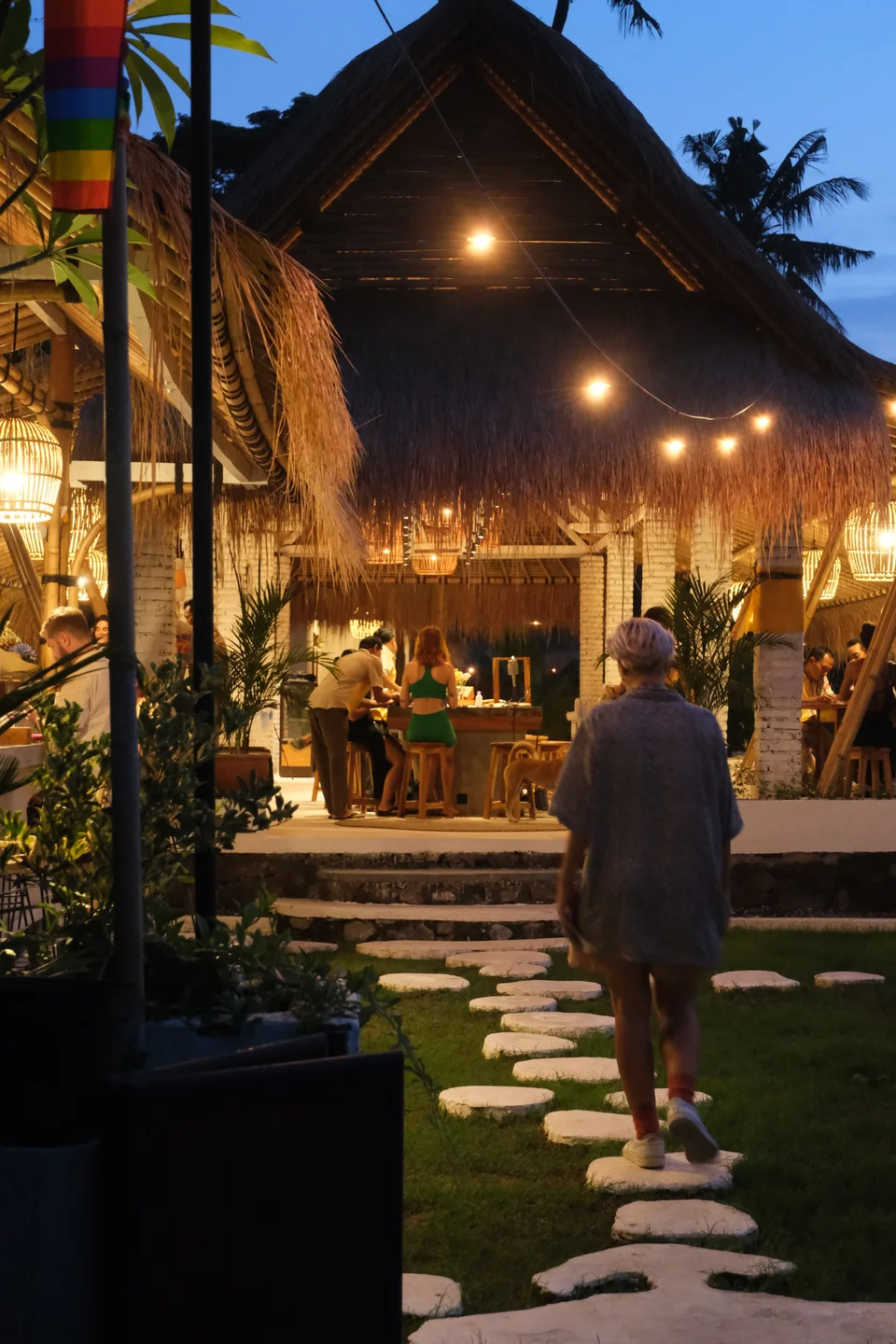
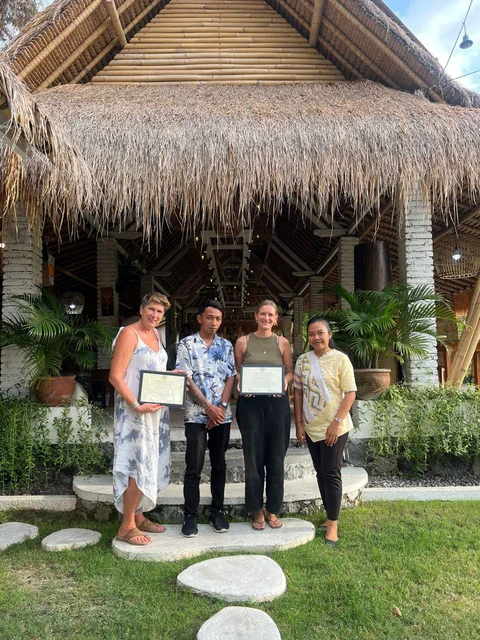
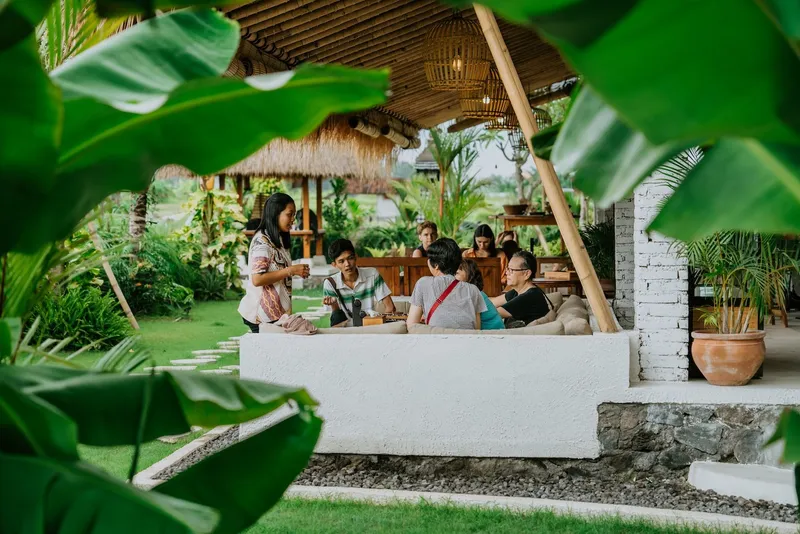
Alas Arum sits in Sukawati village, close enough to Ubud for a half-day trip but far enough from the traffic to feel calm. The workshop benches are arranged under open pavilions, with views of jungle, coconut palms, and stepped rice fields. You can hear birds and the occasional sound of hammering from other students. It is an outdoor setting, so light clothing and closed-toe shoes work best. The check-in area is simple: you sign in, choose a project card, and meet your instructor.
The open-air layout means no air conditioning. In the morning, the temperature is mild. By midday, the shade from the pavilion roof and the breeze off the rice terraces keep the workspace comfortable. If you need a break, you can walk to the edge of the terrace and watch farmers work.
Choosing Your Metal and Design
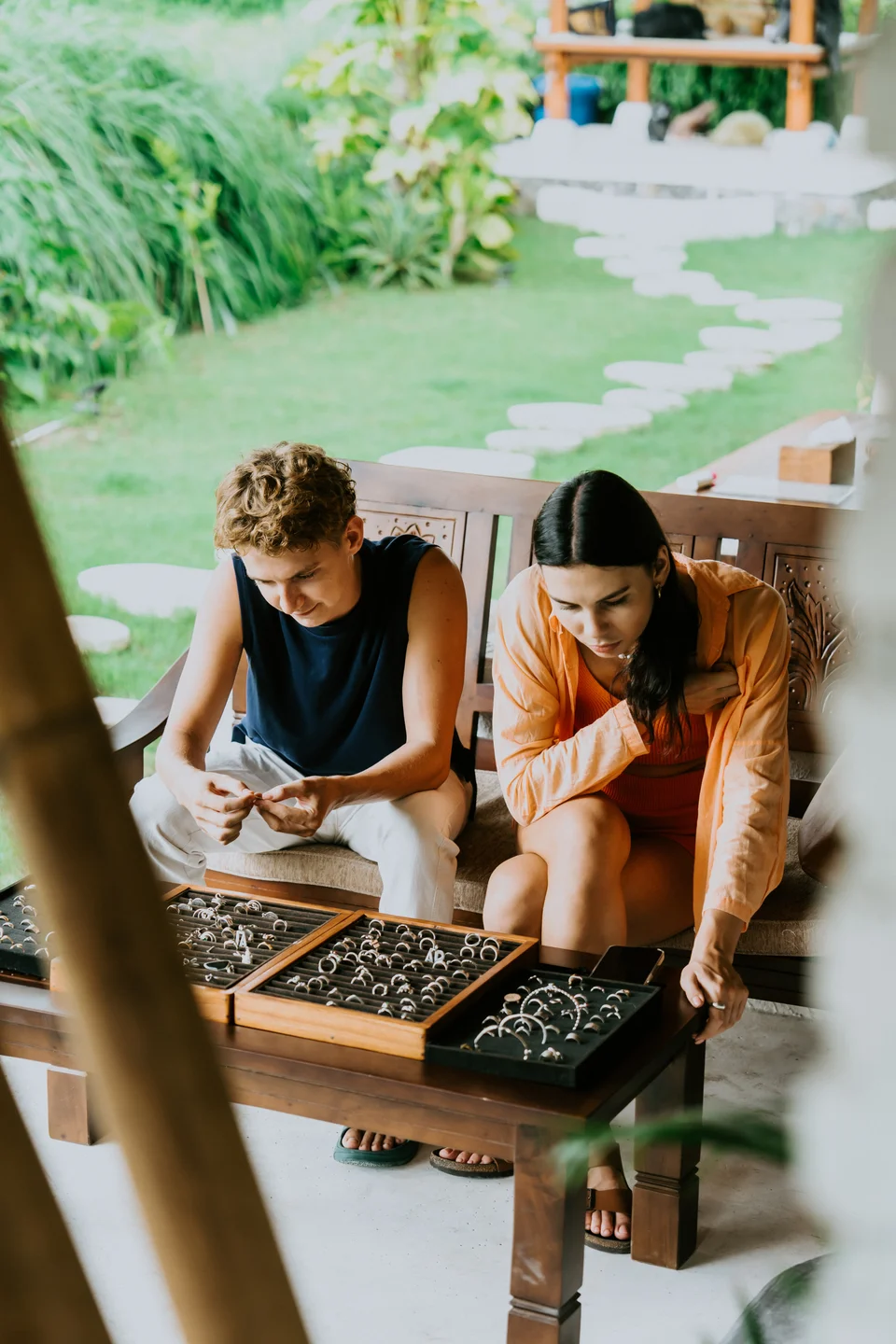
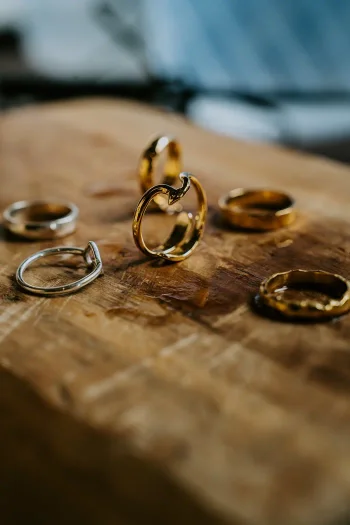
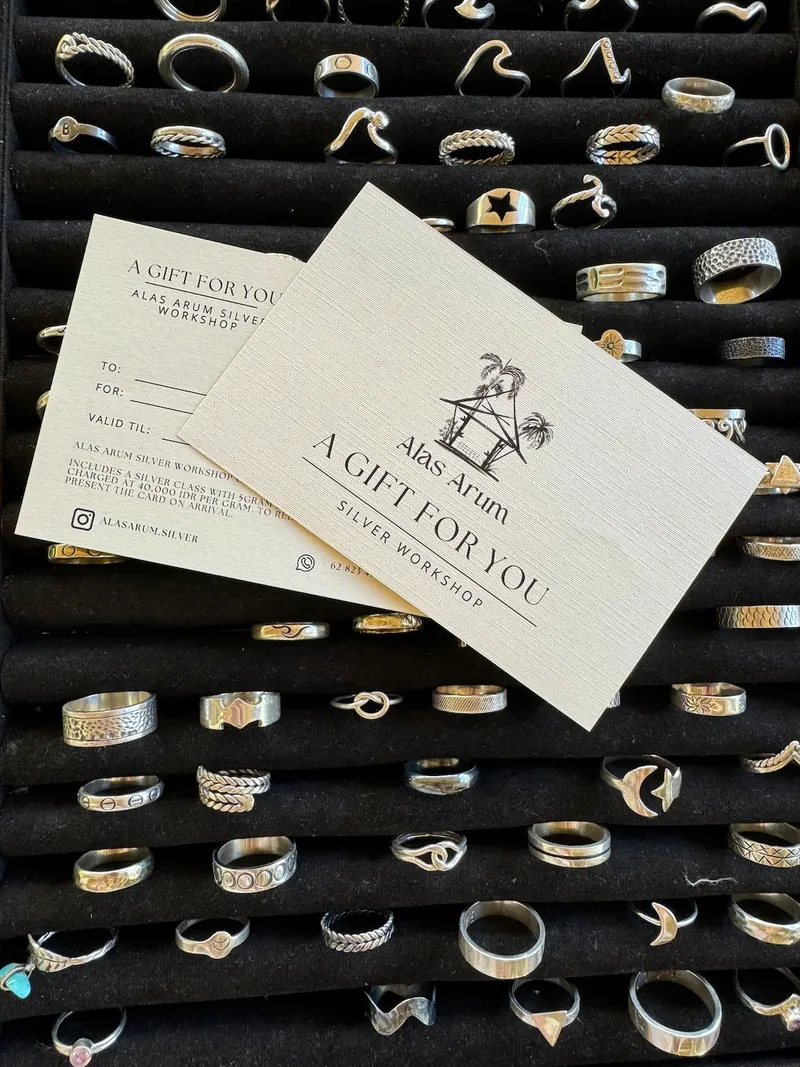
Beginners usually start with sterling silver because it is forgiving and affordable. The instructors show you sample rings, pendants, earrings, and bracelets. You can also choose gold plating over your finished silver piece, or work directly in 18k or 22k gold if you want a higher-value result. Silver and gold behave differently, so the instructor adjusts the soldering and finishing steps based on your metal.
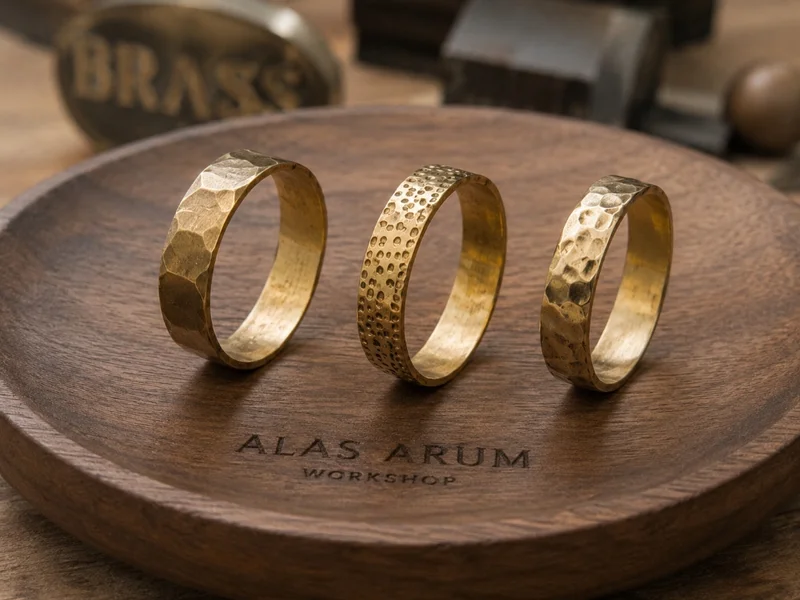
If you are unsure, the brass class is a good low-cost way to practice the same techniques before committing to silver or gold. The instructor will explain the differences in hardness, melting temperature, and polish. Most students finish a simple ring or pendant in the standard session. If you want a more complex piece, tell the team when you book so they can allow extra time.
Guided Silversmithing Step by Step
A typical class moves through six or seven steps:
- Measure and cut the metal to size
- Shape or bend it using mandrels and pliers
- Solder joints with a torch
- File and sand rough edges
- Add texture using hammers or stamps
- Polish with a flex shaft or buffing wheel
- Optional gold plating or stone setting
Each step is supervised. You are not left alone with a torch. The instructor demonstrates first, then watches your hands. If a joint fails or a cut goes crooked, they help you fix it rather than do it for you. This is the main value of a guided workshop: you learn correct technique from the start instead of fighting the metal.
The torch step is often the most exciting. You apply flux and small solder pieces, then heat the joint until the solder flows. The instructor will tell you when to move the flame closer or pull back. It is normal to feel nervous the first time. After a few tries, the process becomes more intuitive.
Lunch and the On-Site Restaurant
Because the workshop has its own restaurant and bar, you do not need to leave for lunch. You can eat between the shaping and polishing stages, or after your class. The menu includes Indonesian dishes and cold drinks. A lunch break also gives you time to walk around the rice terraces and take photos before finishing your piece.
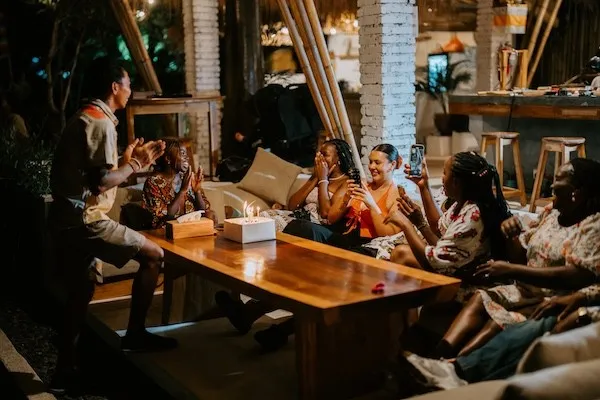
The restaurant is open-air like the workshop, so you can keep your jewelry at the bench while you eat. Some visitors choose to finish the piece first, then celebrate with a drink at the bar. Others take a longer break and return to polish in the cooler afternoon light.
Why Jungle Views Change the Creative Experience
Making jewelry requires patience. A file stroke or solder seam cannot be rushed. When your bench looks out over jungle and rice terraces instead of four walls, the slow pace feels natural. You are not in a sterile classroom; you are working in the same open-air environment that has shaped Balinese craft for generations.
The natural light also helps. Jewelers need bright, even light to see fine details, and an open pavilion with shade provides that without harsh glare. You can check your metal color and polish under daylight, which is more accurate than artificial lighting. Small details like the reflection on a polished silver band are easier to judge when you hold the piece up against a green rice field.
This setting makes the day feel less like a task and more like a slow travel experience. Many visitors say they lose track of time, which is exactly what a creative workshop should do. You are not just learning a skill; you are absorbing the rhythm of village life in Sukawati.
Materials, Classes, and Capacity
Alas Arum offers several class formats. The table below shows the general differences.
| Class Type | Materials | Best For | Duration | Group Size |
|---|---|---|---|---|
| Standard Workshop | 925 sterling silver, optional gold plating | Beginners and couples | 2-3 hours | Up to 50 |
| Gold Class | 18k or 22k gold | Visitors wanting a finer piece | 2-3 hours | Smaller groups |
| Gold Plating Add-On | Silver base with gold layer | Budget-conscious upgrade | 30-45 minutes | Any workshop |
| Masterclass | Silver, gold, advanced techniques | Experienced jewelers | Half to full day | Limited seats |
The standard workshop is the most popular. You can also book the brass class, which is a lower-cost practice option before committing to silver or gold. For advanced students, the masterclass covers stone setting, filigree, or more complex soldering. Whichever class you choose, the instructor-to-student ratio stays low enough that you get hands-on help.
Who Should Book This Workshop?
This day works for many types of travelers:
- Couples looking for a shared creative activity
- Solo travelers who want a skill-based souvenir
- Families with older children who can safely use hand tools
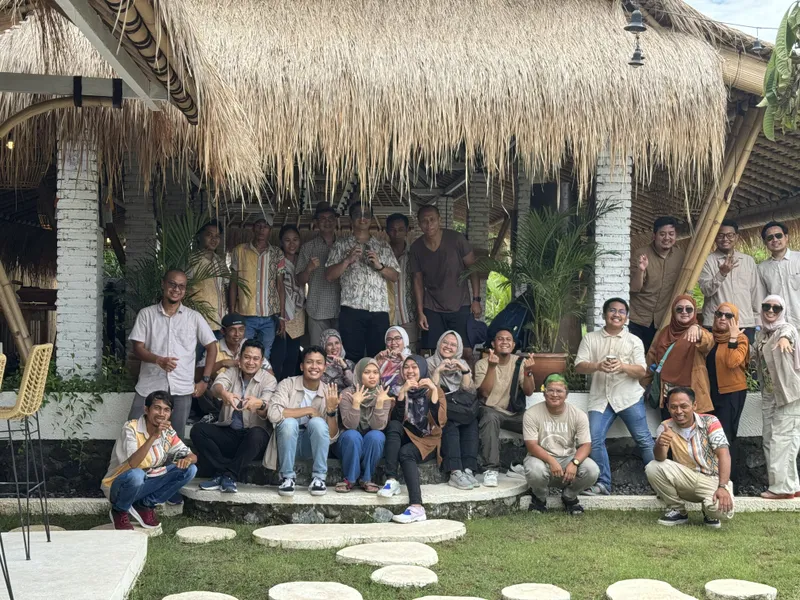
- Groups celebrating a birthday, retreat, or team event
- Hobby jewelers who want to try Balinese techniques
You do not need previous experience. The instructors pace the class to your skill level. If you already make jewelry, book the masterclass instead of the beginner session so you can learn advanced joins, stone setting, or gold work. The masterclass assumes you know basic sawing and soldering, so it moves faster and covers techniques you will not find in a tourist class.
People with limited hand strength or vision should mention it when booking. The team can adapt tools and choose a simpler design. The workshop benches are accessible, but the paths around the rice terraces may have uneven ground.
Planning Your Visit
Sukawati is a short drive from Ubud, and many visitors combine the workshop with a morning at the Sukawati art market or a nearby waterfall. Plan about half a day total, including lunch. The workshop is open-air, so bring sunscreen and a hat for midday. You will be sitting under shade, but you may walk around the terraces.
What to wear:
- Closed-toe shoes
- Light cotton or linen clothing
- Hair tied back if you will use a torch
- No long sleeves near rotating tools
What to bring:
- A phone or camera for the rice terrace views
- Cash for lunch and drinks if you prefer not to use a card
- A small bag for your finished jewelry
You can see examples of student and instructor work in the gallery before you choose a design. If you are not sure which metal fits your budget, contact the team before booking. The booking page for the standard workshop has current availability, and the staff can answer questions about group size or special requests.
Frequently Asked Questions
Do I need experience to join a jewelry making class?
No. Most visitors are beginners. The instructor starts with tool safety and demonstrates every step. You can choose a simple band or pendant, and the team will help you when needed.
How long does a Sukawati workshop day take?
A standard silver class takes about two to three hours, not including lunch. If you add gold plating or choose a more detailed design, allow an extra hour. The masterclass can take a half day or longer.
Can I make a gold ring instead of silver?
Yes. The workshop offers 18k and 22k gold classes. Gold behaves differently than silver, so the instructor will adjust the soldering temperature and finishing steps. You can also start with silver and add gold plating.
Is the workshop suitable for children?
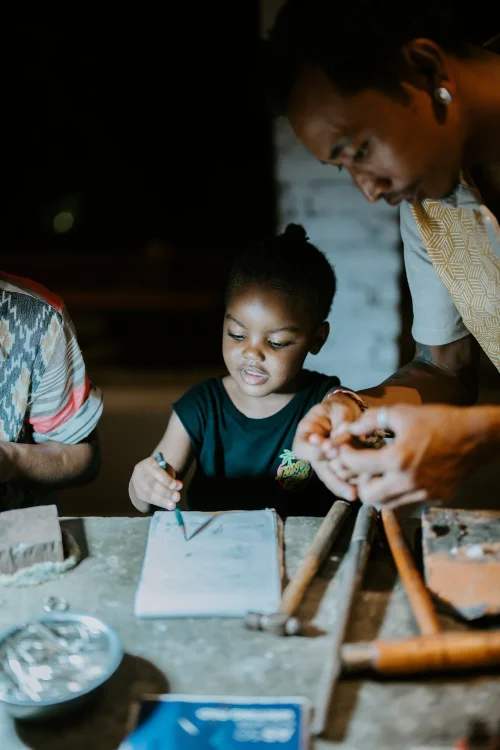
Older children can participate with close supervision, especially with hand tools like files and stamps. The torch and polishing wheels require adult guidance. Contact the team to discuss age limits and design options.
What if I make a mistake during the class?
Mistakes are part of the process. If a cut is crooked or a solder joint fails, the instructor will help you correct it. You will not be charged extra for normal guidance during the class.
Is the workshop open-air? What about rain?
Yes, Alas Arum is an open-air workshop with covered pavilions. Light rain usually does not stop the class because the benches are under shade. In heavy rain, the team may pause the torch work until it passes.
Conclusion
A jungle views and jewelry making day at Alas Arum in Sukawati is one of the most memorable ways to experience Bali's craft culture. You leave with a piece you made yourself, not a mass-produced souvenir. The open-air setting, patient instructors, and option to work in silver or gold make it worth the short trip from Ubud.
Ready to plan your workshop day? Book your class at the standard workshop or ask about the masterclass for advanced techniques. The jungle and rice terraces are waiting.
Our Workshops