Gold Plating Explained for Your Handmade Jewelry
Gold Plating Explained for Your Handmade Jewelry
Gold plating is an electroplating process that deposits a thin layer of gold onto a base metal such as sterling silver or brass, giving your handmade jewelry a rich gold finish at a fraction of solid gold’s cost. This guide explains how gold plating works, how durable it is, and when to choose it for your own jewelry designs.
What Is Gold Plating?
Gold plating is a surface finishing technique that uses electricity to bond a microscopic layer of gold onto another metal. The base metal is usually something more affordable or workable, like sterling silver, brass, copper, or nickel. The result is a piece that looks like gold but keeps the structural and cost benefits of the base metal.
The thickness of the gold layer can vary from less than 0.5 micron (called flash plating) to 2.5 microns or more (called heavy gold plating). Most decorative jewelry uses a thickness between 0.5 and 1.5 microns.
How Gold Plating Works: The Electroplating Process
Gold plating is done through electroplating. The process follows these steps:
- The base metal piece is thoroughly cleaned and polished to remove dirt, oils, and oxidation.
- A conductive coating may be applied to certain areas, or the entire piece is prepared for immersion.
- The piece is connected to the negative terminal (cathode) of a power supply.
- A gold anode or a gold-containing solution is connected to the positive terminal (anode).
- Both are immersed in an electrolyte solution containing gold ions.
- An electric current passes through the solution, causing gold ions to move and adhere to the piece's surface.
- The piece is removed, rinsed, and often given a final polish.
The longer the piece stays in the bath and the higher the current, the thicker the gold layer becomes. This allows control over the final appearance and durability.
Gold Plating vs. Gold Filled vs. Solid Gold
Many makers confuse gold plating with gold filled or solid gold. Here is a direct comparison:
| Feature | Gold Plating | Gold Filled | Solid Gold |
|---|---|---|---|
| Gold content | Very thin layer (0.05–2.5 microns) | Thick outer layer of gold bonded to base (at least 5% of total weight) | Entire piece is gold alloy (10k–24k) |
| Durability | Wears off over time, especially on high-contact areas | Much more durable, can last decades | Most durable, can be repaired and polished |
| Cost | Lowest | Moderate | Highest |
| Best for | Fashion jewelry, occasional wear, mixed-metal designs | Everyday jewelry, pieces you want to last | Heirloom or investment pieces |
Gold plating is the most accessible way to add a gold finish to handmade jewelry without the high cost of solid gold.
Why Choose Gold Plating for Handmade Jewelry?
For jewelry makers, gold plating offers several practical advantages:
- Affordability: You can work with silver or brass and still offer gold-look pieces at a lower price point.
- Design flexibility: You can plate only part of a piece, creating two-tone effects.
- Faster production: Plating is quick, so you can finish multiple pieces in one session.
- Tarnish resistance: Gold plating over silver can reduce tarnishing and improve the surface’s resistance to oxidation.
- Learnable skill: With proper guidance, anyone can learn to plate jewelry safely in a workshop environment.
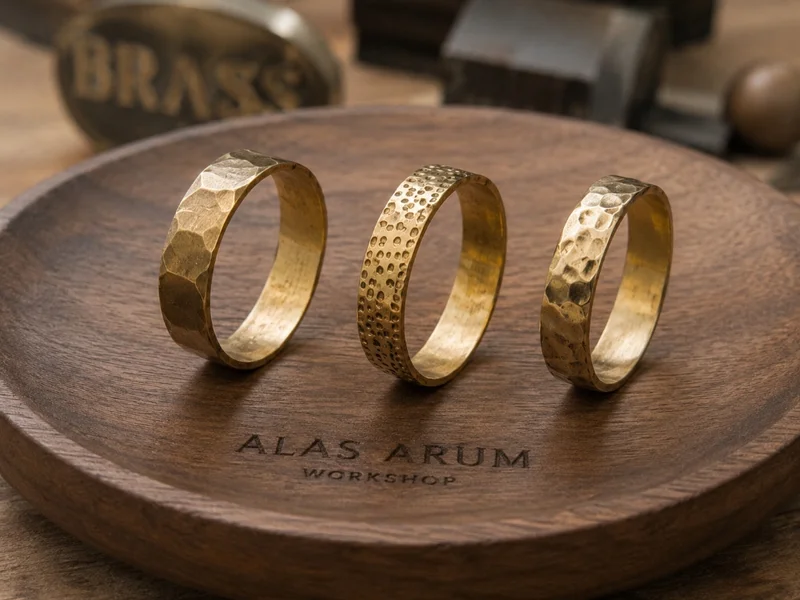
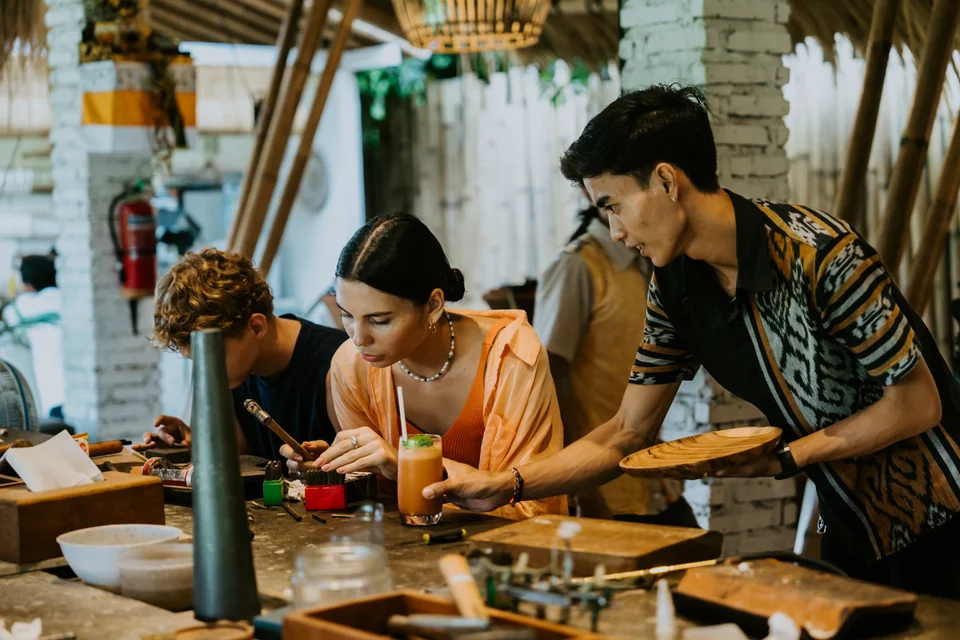
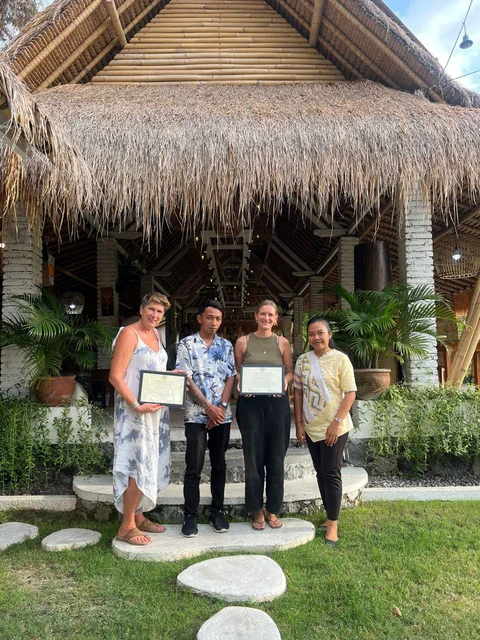
At Alas Arum Silver & Gold Workshop in Sukawati near Ubud, you can create a silver or brass piece and then gold plate it during the same class session. The workshop is open-air, surrounded by jungle and rice-terrace views, making it an inspiring place to learn.
Gold Plating Thickness and Durability
The lifespan of gold plating depends on several factors:
- Thickness of the gold layer: Thicker plating lasts longer.
- Base metal preparation: A well-polished, clean base holds plating better.
- Frequency of wear: Rings and bracelets that rub against surfaces wear faster than earrings or pendants.
- Exposure to chemicals: Perfumes, lotions, sweat, and cleaning products can accelerate wear.
- Body chemistry: Some people’s skin pH causes plating to fade more quickly.
A typical gold-plated piece that is worn daily on the fingers may show wear within a few months to a year. Pieces worn occasionally, like pendants or earrings, can last several years. When the gold layer wears thin, you can re-plate the piece to restore its appearance.
Can You Gold Plate Your Jewelry at Home or in a Workshop?
Gold plating can be done at home with small electroplating kits, but the results are often inconsistent and the chemicals require careful handling. A professional workshop offers several benefits:
- Proper ventilation and safety equipment
- Commercial-grade plating solutions with higher gold content
- Experienced instructors who can guide the process
- Ability to achieve an even, durable finish
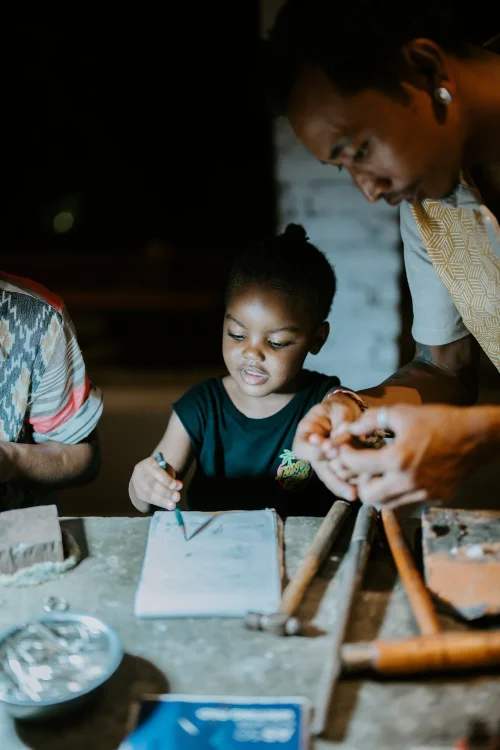
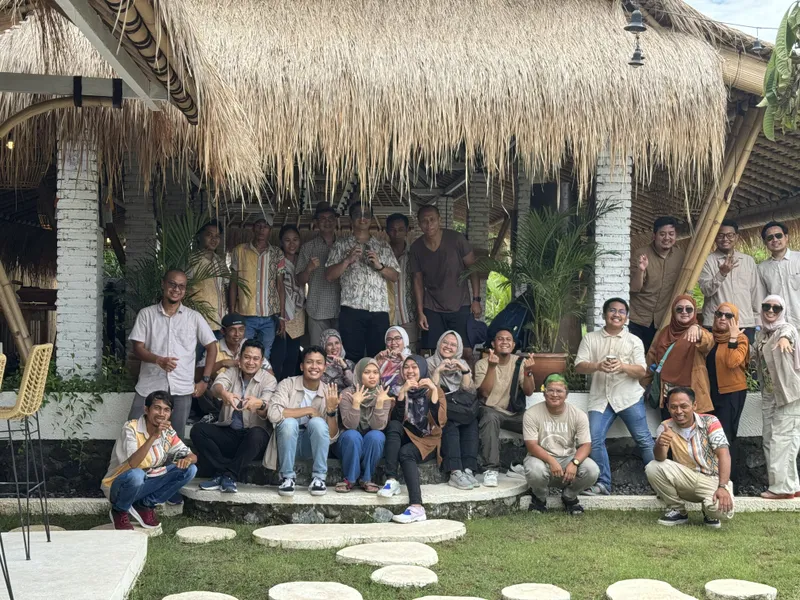
For beginners, learning in a workshop is strongly recommended. At Alas Arum, gold plating is taught as part of the regular jewelry-making classes. You can start with a sterling silver or brass base and plate it with 18k or 22k gold. The class is suitable for all skill levels, and the workshop can host groups of up to 50 people.
What to Expect in a Gold Plating Class at Alas Arum
If you book a class at Alas Arum, the typical flow includes:
- Design and base creation: You choose or make a base piece from 925 sterling silver or brass.
- Surface preparation: Instructors show you how to clean, polish, and prepare the metal for plating.
- Electroplating demo: You learn how to set up the plating bath, control current, and monitor thickness.
- Hands-on plating: You plate your own piece under supervision.
- Finishing and polishing: After plating, you clean and polish the jewelry to a final shine.
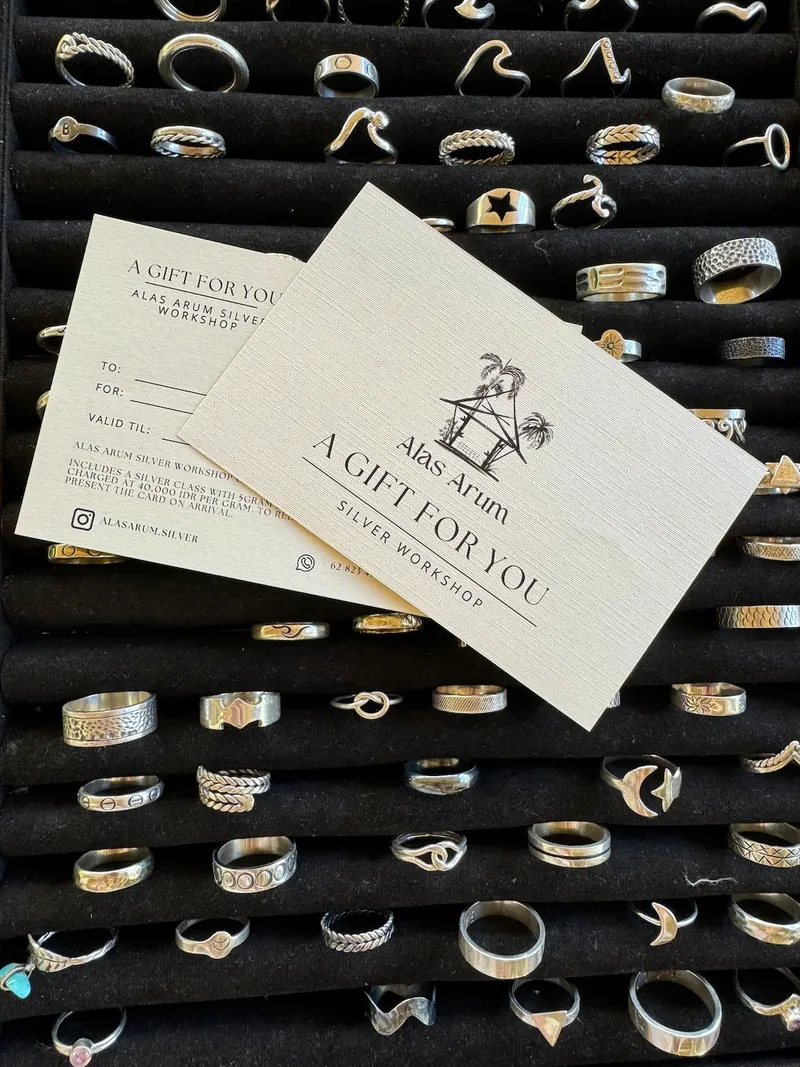
The workshop also has an on-site restaurant and bar, so you can take a break between steps. For makers who want to go deeper, the advanced masterclass covers more complex plating techniques and multi-metal finishing. You can see examples of student work in the gallery before you decide what to make.
Caring for Gold-Plated Handmade Jewelry
To extend the life of your gold-plated pieces:
- Remove jewelry before showering, swimming, or exercising.
- Apply perfumes, lotions, and hairspray before putting on jewelry.
- Store pieces separately in a soft pouch or jewelry box to avoid scratches.
- Clean gently with a soft, dry cloth; avoid abrasive polishes.
- Re-plate when the gold layer becomes thin or patchy.
With these habits, your gold-plated handmade jewelry can stay beautiful for much longer.
Frequently Asked Questions
How long does gold plating last on handmade jewelry?
Gold plating can last anywhere from a few months to several years, depending on thickness, base metal preparation, wear frequency, and exposure to chemicals. Rings and bracelets worn daily tend to wear faster than pendants or earrings worn occasionally. You can re-plate the piece when the finish fades.
Can any metal be gold plated?
Most conductive metals can be gold plated, including sterling silver, brass, copper, and nickel. However, some metals require a barrier layer first to prevent the base metal from reacting with the gold or to improve adhesion. In a professional workshop, instructors will know which preparation steps are needed.
Is gold plating safe for sensitive skin?
Gold itself is hypoallergenic, but the base metal underneath may cause reactions if the plating wears off and the base metal contains nickel or other irritants. Choose a base metal like sterling silver or brass, which are generally well-tolerated. If you have known metal allergies, ask your workshop about the exact metals used.
Can I gold plate sterling silver jewelry?
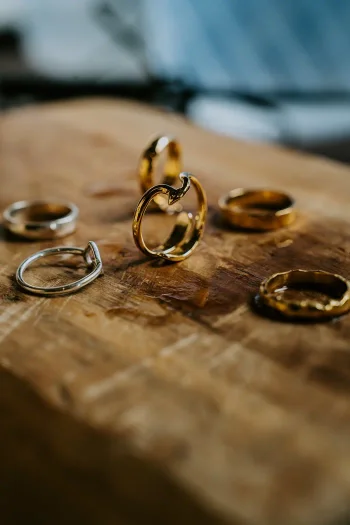
Yes, sterling silver is one of the best base metals for gold plating because it is conductive, smooth, and does not require a barrier layer. Many makers create a silver piece and then plate it with 18k or 22k gold to achieve a two-tone or full gold look.
Does gold plating wear off? How do I know when to re-plate?
Gold plating does wear off over time, especially on high-friction areas. You will notice the base metal starting to show through as a silver, brass, or copper color. When this happens, the piece can be cleaned, polished, and re-plated to restore the original gold finish.
Can I learn gold plating at Alas Arum?
Yes, Alas Arum Silver & Gold Workshop in Sukawati near Ubud teaches gold plating as part of its regular classes. You can book a session to make a piece from sterling silver or brass and then plate it with gold. The workshop also offers an advanced masterclass for more in-depth learning.
Conclusion
Gold plating is a practical and affordable way to give your handmade jewelry a beautiful gold finish. Understanding the process, thickness choices, and care requirements helps you make better design decisions and keep your pieces looking their best. Whether you are a beginner or an experienced maker, learning gold plating in a professional workshop gives you hands-on skills you can use immediately.
Ready to try gold plating on your own handmade jewelry? Book a class at Alas Arum Silver & Gold Workshop and create a piece you’ll love.
Our Workshops